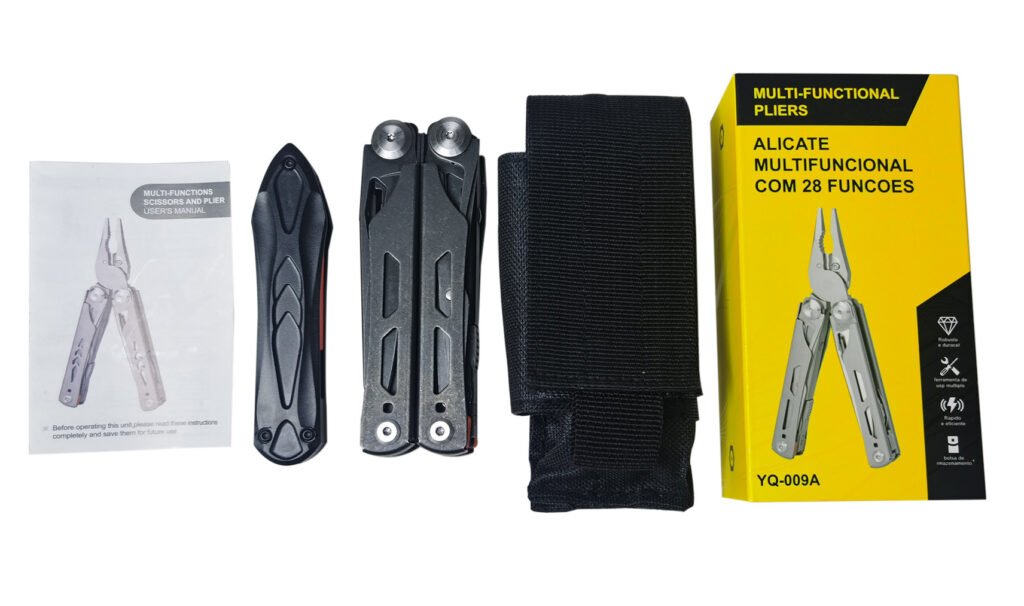
How Are Multi-Tools Made? A Buyer’s Guide to the Manufacturing Process
A practical look at materials, stamping, heat treatment, assembly and quality control for brands planning an OEM multi-tool project.

Multi-tool manufacturing looks simple from the outside, but each finished tool combines many individual parts, tolerances and surface treatments. For an importer or private-label brand, understanding this workflow makes supplier evaluation much easier.
This preview article demonstrates the approved typography, spacing, image treatment, content hierarchy and sidebar behavior. Replace the sample copy with the final article while keeping the same semantic structure.
1. Product design and specification
Every project should begin with a clear use case, target retail price and function list. These decisions determine tool dimensions, steel grade, handle structure, locking system and packaging.
2. Material selection
Different components can require different materials. Pliers, blades, springs, fasteners and handles each have distinct requirements for strength, hardness, corrosion resistance and forming.
- Blade and tool steel selected for edge retention and corrosion resistance.
- Structural components selected for toughness and dimensional stability.
- Handle materials selected for weight, grip, finish and brand appearance.

3. Component production
Depending on the design and volume, components may be stamped, cut, machined or formed. Edges and holes then require deburring and dimensional checks before heat treatment or finishing.
Heat treatment and finishing
Controlled heat treatment helps components reach their required hardness and toughness. Surface treatments improve corrosion protection, appearance and brand differentiation.
4. Assembly and adjustment
Assembly is not only about fastening parts together. Pivot resistance, spring tension, tool alignment and locking performance must be adjusted consistently.
5. Quality control
A reliable inspection plan should cover incoming materials, in-process dimensions, function testing, cosmetic standards, packaging accuracy and final sampling.
- Verify material and component specifications.
- Inspect dimensions and surface finish.
- Test opening, closing, locking and individual functions.
- Confirm branding, accessories and packaging.